
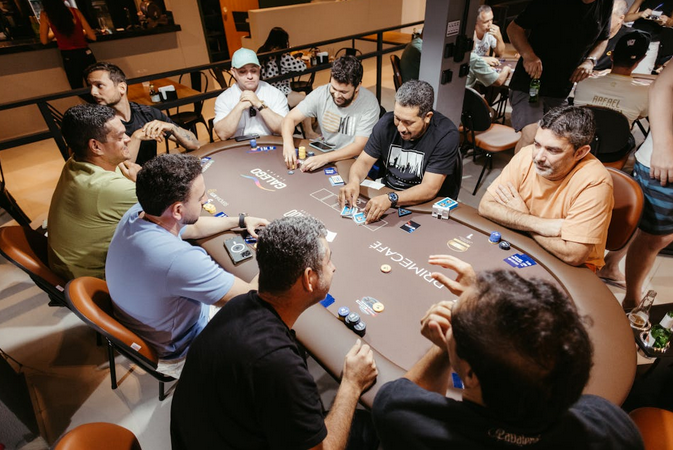
Walk into any high-stakes casino room, and you’ll notice something right away—it’s not just the chips that carry weight, it’s the decisions behind them. Big bets aren’t random acts of bravado; they’re a kind of language. Seasoned players, often called high rollers, use their wagers to communicate confidence, pressure, and sometimes even deception. If you’ve ever wondered what’s really going on when someone casually pushes a mountain of chips forward, you’re not alone. Understanding this silent language can completely change how you see the game.
Confidence or Calculated Risk?
When a high roller makes a large bet, the obvious assumption is confidence. And often, that’s true. A strong hand or favorable odds can justify putting significant money on the line. But experienced players rarely rely on gut feeling alone. Their confidence is usually backed by probabilities, past patterns, and sharp observation. What looks like boldness on the surface is often a carefully calculated move designed to maximize value while minimizing unnecessary risk.
The Art of Intimidation
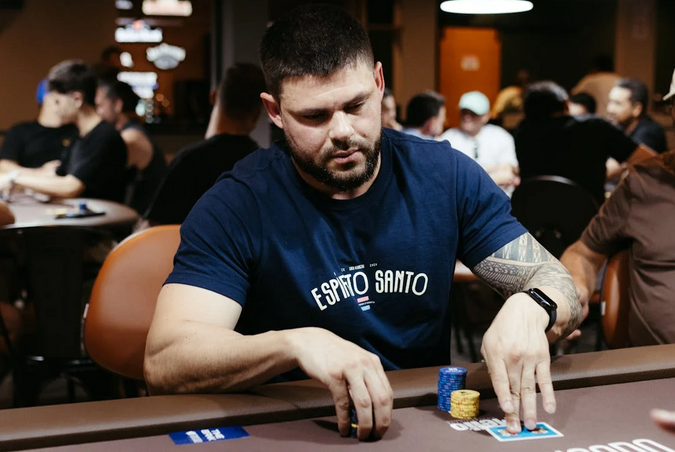
Big bets don’t just affect the player making them—they ripple across the table. One of the most powerful uses of a large wager is intimidation. By raising the stakes dramatically, a player can force opponents into uncomfortable decisions. Less experienced players might fold simply because they don’t want to risk losing big. In this sense, the bet becomes less about the cards and more about controlling the psychology of the table.
Bluffing at Scale
Bluffing is a well-known part of gambling, but when high rollers bluff, they do it on another level entirely. A massive bet can be used to sell a story—convincing others that the player holds an unbeatable hand. The risk is higher, of course, but so is the potential reward. Pulling off a successful large-scale bluff requires timing, consistency, and a deep understanding of opponents’ tendencies. It’s not reckless; it’s strategic theater.
Reading the Opponents
High rollers aren’t just focused on their own bets—they’re constantly reading others. Every hesitation, every glance, every betting pattern becomes part of the puzzle. Big bets can serve as probes, testing how opponents react under pressure. Does someone fold quickly? Do they call aggressively? These reactions provide valuable information that can be used in later rounds. In this way, a large bet is sometimes less about winning the current hand and more about gathering intelligence.
Momentum and Table Image
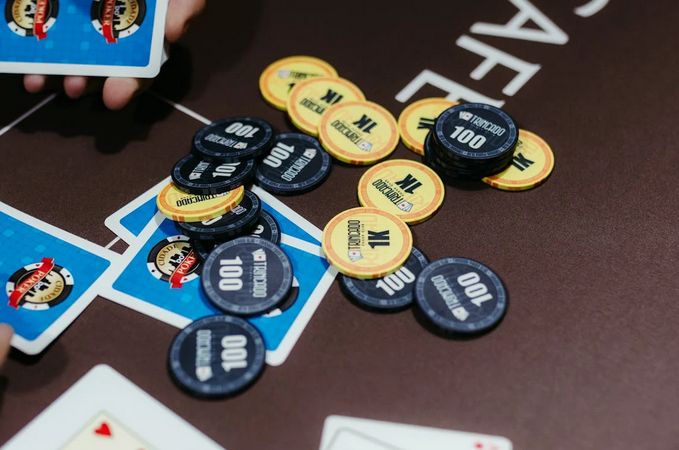
Another layer to big betting is the concept of table image. Players build reputations over time—tight, aggressive, unpredictable—and high rollers know how to use this to their advantage. A player who has been cautious all night might suddenly make a huge bet, and it carries extra weight because it’s out of character. On the flip side, someone known for frequent big bets might use that image to mask a weaker hand. Momentum also plays a role; a winning streak can embolden larger wagers, reinforcing an aura of dominance.
Strategic Pressure and Long-Term Play
Big bets are rarely about a single moment. High rollers think in terms of sessions, trends, and long-term outcomes. Applying pressure through large wagers can slowly wear down opponents, forcing mistakes over time. Even when a big bet doesn’t immediately pay off, it can contribute to a broader strategy. The goal isn’t just to win one hand—it’s to shape the entire flow of the game in their favor.
At first glance, a big bet might look like a simple display of wealth or nerve, but there’s almost always more beneath the surface. High rollers use their wagers as a form of communication, blending psychology, strategy, and experience into every move. By learning to read these signals, you gain insight into not just what’s happening on the table, but why. And once you start seeing the game this way, every bet—big or small—tells a story worth paying attention to.